
Explore Our Services
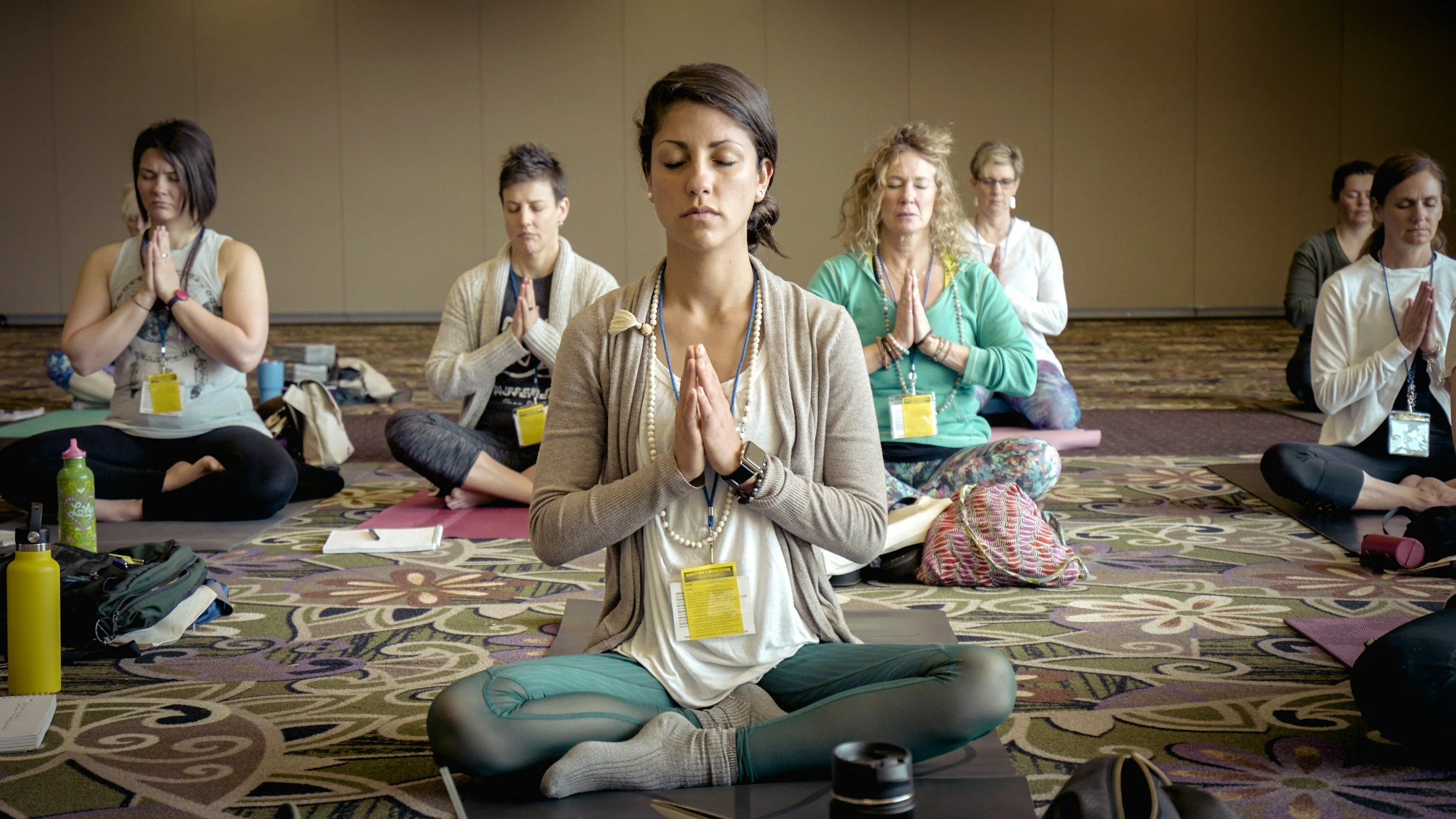
Why meditation is one of the most powerful tools when you quit smoking?
Quitting smoking is not just about stopping a behaviour.
It is about calming a nervous system that has depended on nicotine for relief, focus, and escape.
This is why meditation is not “extra” when you quit smoking.
It is one of the most effective ways to retrain your brain without replacing one addiction with another.
The real reason quitting smoking feels overwhelming
Nicotine hijacks the brain’s regulation system.
Over time, it becomes your:
Stress regulator
Emotional numbing agent
Focus enhancer
Escape button
When you quit, your brain suddenly asks:
“How do I calm myself now?”
Meditation answers that question — naturally, safely, and permanently.
What meditation actually does to the quitting brain
Meditation is not about emptying the mind.
It is about training awareness without reaction.
When you meditate regularly:
1. You calm the nicotine-activated stress response
Nicotine keeps the body in a mild fight-or-flight state.
Meditation:
Lowers cortisol
Slows heart rate
Activates the parasympathetic (healing) nervous system
This directly reduces withdrawal-related anxiety.
2. You learn to observe cravings without obeying them
A craving is not an order.
It is a temporary neurological event.
Meditation teaches you to:
Notice the craving
Feel it in the body
Watch it rise and fall
Most cravings peak for 5–10 minutes.
Meditation helps you ride the wave instead of reacting to it.
3. You break the automatic loop of smoking
Smoking is automatic.
Trigger → urge → cigarette.
Meditation creates space between:
Feeling
Thought
Action
In that space, choice returns.
This is how identity shifts from smoker trying to quit to non-smoker who observes urges.
Meditation rebuilds emotional stability without nicotine
Many smokers fear:
“If I quit, I won’t be able to handle stress.”
Meditation proves the opposite.
With practice, it:
Increases emotional tolerance
Reduces impulsive reactions
Builds inner steadiness
You don’t escape emotions — you become strong enough to feel them without needing nicotine.
Meditation helps with sleep, mood, and focus during quitting
Regular meditation:
Improves sleep quality
Reduces irritability
Stabilizes mood swings
Improves concentration (without stimulants)
This addresses some of the main relapse triggers:
fatigue, frustration, and emotional overload.
The most important shift: from fighting to allowing
Many people try to quit smoking by fighting urges.
Meditation teaches a different approach:
Allow the urge — don’t fuel it.
When you stop fighting:
Resistance drops
Stress drops
Cravings lose power
What you resist persists.
What you observe dissolves.
How to use meditation while quitting smoking (practically)
1. start small (very small)
Even 5 minutes a day is enough.
Consistency matters more than duration.
2. use breath as an anchor
When an urge appears:
Breathe slowly
Focus on the exhale
Let the body settle
3. meditate during cravings
Instead of distracting yourself, sit with the urge.
Say internally:
“This is a craving. It will pass.”
This rewires your response permanently.
4. drop the idea of “doing it right”
Your mind will wander.
That’s normal.
Each return to the breath is brain training.
Meditation is not replacing smoking — it’s reclaiming control
Smoking controls your nervous system from the outside.
Meditation trains it from the inside.
This is why meditation:
Does not create dependency
Does not cause rebound stress
Gets stronger with time
It builds internal freedom.
The deep truth most quit programs miss
You don’t relapse because you want a cigarette.
You relapse because you want:
Relief
Calm
Escape
Control
Meditation gives you all of that — without damage.
Final Message
Quitting smoking is not about becoming tense, rigid, or constantly resisting yourself.
It is about becoming present, regulated, and grounded.
Meditation doesn’t make quitting easier by force.
It makes quitting easier by changing who you are in the moment of craving.
And when the moment changes — the habit collapses.